







Editor & Publisher: Rabb Majumder
House # 05 (2nd Floor, 2-C), Road# 04, Banani DOHS, Dhaka - 1206
Phone: +8801715822782
Phone (Advertisement): +8801712863234
Email: rabb.h.majumder@gmail.com, info@securityworldbd.com

Building the Bay of Bengal’s Future:
BIMSTEC Strategic-Path In Security and Development
Rabb Majumder
19:23, 10 March, 2026

Rabb Majumder
is the Editor and Publisher of The Security World.

BIMSTEC stands for the Bay of Bengal Initiative for Multi-Sectoral Technical and Economic Cooperation. It is a regional grouping that brings together South and Southeast Asian countries—Bangladesh, India, Myanmar, Sri Lanka, Thailand, Nepal, and Bhutan—along with various observers. The organization aims to accelerate regional integration through multi-sectoral collaboration in trade, infrastructure, energy, technology, tourism, and people-to-people exchanges. By leveraging geographic proximity and shared development priorities, BIMSTEC seeks to bridge markets and foster sustainable growth across its members. In practice, BIMSTEC emphasizes practical projects and technical cooperation to deliver tangible outcomes, such as enhanced connectivity, streamlined trade rules, and joint efforts in climate resilience and disaster management. It serves as a complementary platform to other regional groupings in Asia, focusing on concrete outcomes that can boost investment, accelerate infrastructure development, and promote inclusive development across the Bay of Bengal region.
In this issue, Security World Magazine presents an exclusive interview with the Secretary General of BIMSTEC, Indra Mani Pandey.

The interview illuminates BIMSTEC’s evolving priorities amid shifting regional dynamics and global security challenges.
The Secretary General of BIMSTEC Indra Mani Pandey, is a career diplomat of India.
Before his current assignment, he served as Permanent Representative of India to the United Nations and other International organizations in Geneva. He had earlier served as Additional Secretary in the Ministry of External Affairs in-charge of Disarmament & International Security Affairs Division. During his 33 years long career as an Indian diplomat, Ambassador Pandey has served as Ambassador of India to the Sultanate of Oman. Before his Ambassadorial assignment in Muscat, he served as Deputy Ambassador of India to France and Consul General of India at Guangzhou, China.

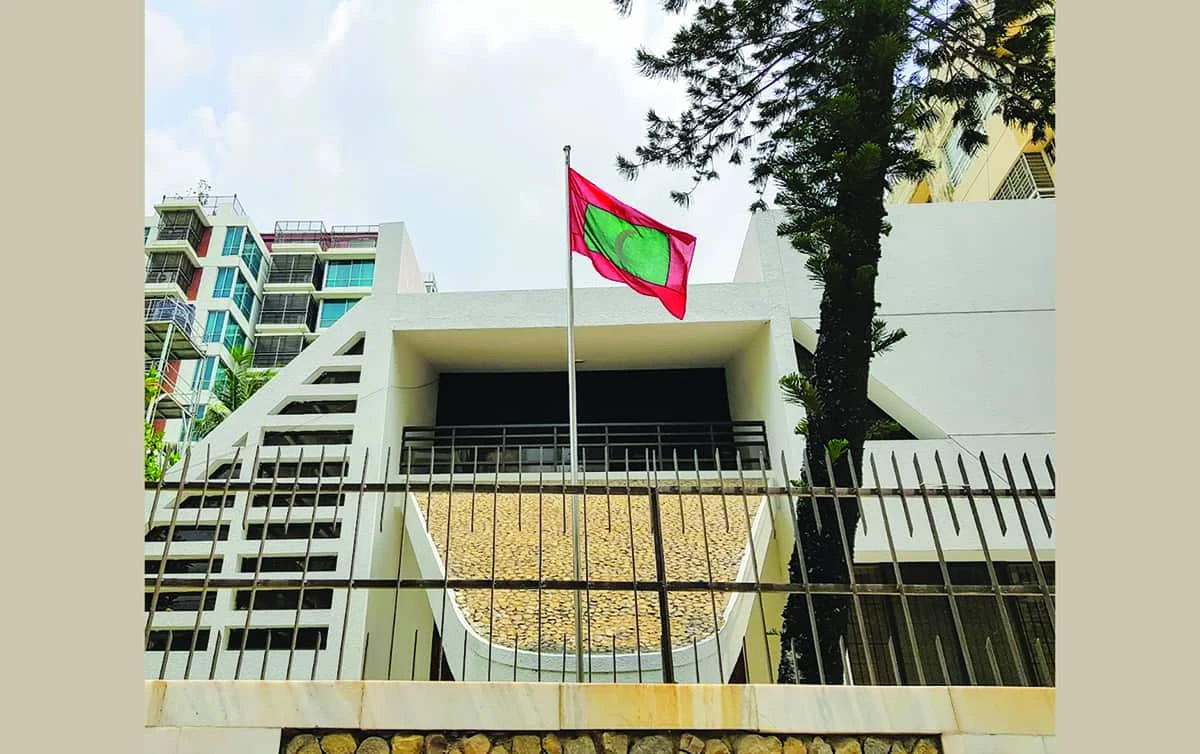
The Permanent Secretariat of BIMSTEC, headquartered in Dhaka, Bangladesh.
Ambassador Pandey had also served in various diplomatic capacities at Indian Missions in Cairo (Egypt), Damascus (Syria), Islamabad (Pakistan), Kabul (Afghanistan) and Permanent Mission of India to the Conference on Disarmament, Geneva (Switzerland).
During October 1998- June 99, Ambassador Pandey attended Foreign Service Programme at Oxford University, the U.K. In 2009, he attended the 49th Annual Course on National Security and Strategy, conducted by National Defence College of India.
The following is an excerpt from the interview:
How do you define the core mandate of BIMSTEC today, and how has it evolved since its inception?
The core mandate of the BIMSTEC, as envisioned in its charter and BIMSTEC Bangkok Vision 2030, is to contribute to the endeavors of its members, through regional cooperation, towards realisation of their sustainable development and security challenges, leading to a secure, prosperous and developed Bay of Bengal region. While the core mandate has remained the same over past 28 years, Agenda of BIMSTEC has evolved reflecting developmental and security priorities of our member states: agriculture and food security; blue economy; connectivity; culture; disaster management; energy; environment and climate change; fiscal and monetary policy; fisheries and livestock; health; human resource development; mountain economy; people to people relations; science, technology and innovation; security; tourism; and trade, investment and development etc.
In your view, what are BIMSTEC’s unique contributions compared to other regional groupings in South Asia and Southeast Asia?
BIMSTEC is a unique organisation as it brings together 5 countries from South Asia and 2 countries South-East Asia. BIMSTEC is a non-political organization and it has remained focused on technical and economic cooperation, keeping away from political issues. It has a comprehensive agenda, covering almost all SDGs as well as security. It has pursued external partnerships with the UN as well as regional and institutional organisations.
How effectively do current BIMSTEC structures (Summits, Ministerial Meetings, Working Groups, Secretariat) translate member states’ political will into tangible outcomes?
BIMSTEC has all the requisite institutional framework in place to forge regional cooperation. The Core Mechanisms include Summits, Meetings of Foreign Ministers and Senior Officials’ Meetings (SOMs) and BIMSTEC Permanent Working Committee. We also have Sectoral SOMs and Ministerial Meetings. There are numerous joint working groups, expert groups and technical bodies dedicated to deliberate on various Agenda items, prepare Action Plans and monitor their implementation. We have also negotiated numerous Conventions, Agreements, MoUs, MoAs and established Centres of Excellence in order to translate the decisions of the member States into concrete actions.

How do you balance the diverse strategic interests of member states (Bangladesh, Bhutan, India, Maldives, Nepal, Myanmar, Sri Lanka, and Thailand) in advancing a coherent regional agenda?
There are a number of transnational developmental and security challenges which our member States cannot deal with alone and need to work together to deal with them. They also want to benefit from one another’s developmental progress. Hence, they look at regional cooperation through BIMSTEC as a means to achieve their developmental aspirations and have continued to support it. Also, BIMSTEC works on the basis of consensus, building on the convergences in the interests of the member States.
Which sectoral initiatives have yielded the most visible development benefits for member states, and how is impact measured?
It is difficult to single out any specific sector to showcase achievements of BIMSTEC. In almost every sector, we have developed Action Plans and Master Plans which are under implementation. Also, our member States attach equal importance to progress in all the sectors.
How does BIMSTEC prioritize regional projects to maximize inclusive growth?
BIMSTEC prioritises initiatives that align with the Sustainable Development Goals (SDGs) of its member States, which are delineated through deliberations in the meetings of various sectoral Joint Working Groups and Expert Groups. Based on the BIMSTEC Bangkok Vision 2030, which aims to realise a Prosperous, Resilient and Open BIMSTEC, we have developed Sectoral Action Plans which fully reflect the priorities of the member States for inclusive and sustainable development.
What are the main bottlenecks in project development and implementation, and how can they be mitigated?
There are no major bottlenecks in forging regional cooperation under BIMSTEC. However, there have been avoidable delays in implementation of some of the initiatives or decisions of the member States. The BIMSTEC Secretariat has been working with the member States to ensure timely Implementation of the decisions and directives of BIMSTEC leadership and implementation of the recommendations made by the Eminent Persons Group (EPG) will help us overcome implementational delays.
How is BIMSTEC integrating climate resilience and sustainable development across its programmes?
Adaptation to climate change and building climate resilience has been an important goal of BIMSTEC. Environment and Climate Changes has been one of the priority sectors on BIMSTEC’s agenda and it is led by Bhutan. There is an Action Plan under this sector which is under implementation. In deliberations in other sectors the impact of climate change is taken into account. The BIMSTEC Centre for Weather and Climate provides early warnings for natural disasters, directly supporting regional climate resilience. We have also made progress in forging cooperation in energy and disaster management sectors.
How does BIMSTEC monitor progress, manage risks, and adapt to delays or changes in member priorities?
Progress in implementation is monitored by the Secretariat as well as the member States through regular and frequent meetings of the concerned Expert Groups and Working Groups which review the progress in implementation of the Action Plans, which are also updated regularly in order to reflect the evolving priorities of the member States.
How effective is the BIMSTEC Secretariat in coordinating cross-cutting issues (trade, energy, transport, technology, security, health)?
The role of Secretariat, as outlined in the Charter, is to facilitate communication, consultation and coordination amongst the member States. It also assists the member States in organising core and sectoral meetings. It monitors and reports to the member Staes on progress in implementation and recommends new initiatives. The Secretariat also represents BIMSTEC at international and regional platforms.
What concrete steps has BIMSTEC taken to improve physical connectivity (intra-regional roads, ports, rail, air, digital networks)?
BIMSTEC has prioritized regional connectivity through several initiatives. BIMSTEC Master Plan for Transport Connectivity, prepared in consultation with ADB and adopted in March 2022, serves as a comprehensive blueprint for regional connectivity and is currently under implementation. BIMSTEC is working with the ADB to revise and update the Master Plan to take stock of the progress and take into account the emerging priorities of the member States. The Agreement on Maritime Transport Cooperation (AMTC) was signed at the 6th BIMSTEC Summit in April 2025, which aims to expand maritime links. Standard Operating Procedures (SOP) for its operationalization are currently being finalised. With a view to enhance land Connectivity, BIMSTEC is actively negotiating a BIMSTEC Motor Vehicles Agreement to facilitate seamless land travel and transport among member states. There is a proposal to establish a BIMSTEC Sustainable Maritime Transport Centre of Excellence in India. Further, 2 editions of BIMSTEC Ports Conclave have been hosted by India with a view to enhance cooperation amongst the ports of the member States.
How is BIMSTEC addressing non-tariff barriers and facilitating trade among member states?
Improving trade facilitation remains a core priority. Our member States have developed the BIMSTEC Trade Facilitation Strategic Framework 2030, which provides a structured roadmap for simplifying procedures, enhancing transparency, and strengthening coordination among border agencies.
In parallel, the BIMSTEC Agreement on Trade Facilitation is currently under negotiation. The agreement aims to reduce non-tariff barriers by harmonizing customs procedures, streamlining documentation requirements, and processing systems.
BIMSTEC has also undertaken a series of capacity-building workshops and technical programmes to improve the operational efficiency of customs and other cross-border regulatory agencies. Member States are actively sharing experiences and best practices on the digitalization of trade facilitation, including the use of electronic single windows and paperless trade systems, to reduce transaction costs and expedite the movement of goods within the region.
How does BIMSTEC promote financial integration, payment systems, and investment flows among members?
Within the BIMSTEC framework, the member States have recently created an Expert Group on fiscal and monetary policy which is mandated to also look at the possibility of establishing a cross-border digital payment system to enhance transaction efficiency.
A proposal to create a forum of Investment Promotion Authorities, with a view to promote intra-BIMSTEC investments, is under consideration. BIMSTEC promotes investment flows also by facilitating Business-to-Business (B2B) exchanges through BIMSTEC Business Summits and Conclaves. There is a proposal to create a BIMSTEC Chamber of Commerce and Industries to further strengthen engagement of business communication of the member States.
What reforms or capacity-building initiatives for the BIMSTEC Secretariat would most improve effectiveness?
The Secretariat has taken initiatives to ensure that it fulfils the expectations of the member States. It has established a Policy Support Unit, an Implementation Support Unit and a Project Management Unit to enhance its capacity to fulfil the responsibilities assigned to it by the member States. Implementation of the EPG’s recommendation pertaining to the Secretariat will help enhance its efficiency and efficacy.
How does BIMSTEC engage with civil society, academia, and regional think tanks to inform policy and implementation?
BIMSTEC has accorded a high priority to engaging civil society, think tanks, media and academia, students and youth. The BIMSTEC Network of Policy Think Tanks (BNPTT) allows designated national think tanks of the member States to contribute policy inputs directly in priority areas. The BIMSTEC Secretariat has also been engaged with Non-BNPTT think tanks of our member States.
The Secretariat has proactively engaged with universities, media and business communities through regular dialogues to increase awareness about BIMSTEC and benefit from diverse perspectives on regional challenges.
How can BIMSTEC improve coordination with other regional architectures (e.g., SAARC, ASEAN)?
BIMSTEC is uniquely positioned as the only regional organisation that bridges South Asia and Southeast Asia, facilitating cross-regional cooperation. At the 6th BIMSTEC Summit, BIMSTEC signed MoU with IORA for forging mutually beneficial cooperation. We have also been exploring the opportunities for cooperation with ASEAN too. You may be aware that 4 BIMSTEC members are also members of IORA and 2 BIMSTEC members are also members of ASEAN.
How do you anticipate geopolitical shifts affecting BIMSTEC’s relevance and momentum?
Inspite of geopolitical shifts, BIMSTEC, as a regional organisation, has continued to enjoy the support of its 7 member States as it manifests their commitment to pursue mutually beneficial regional cooperation. As a non-political organisation, BIMSTEC has remained engaged in pursuit of cooperation on the basis of its agreed agenda and Plans of Action and has not been impacted by geopolitical changes.
In terms of regional resilience, what role should BIMSTEC play in health security, disaster risk management, and climate adaptation?
BIMSTEC is implementing a Plan of Action on Public Health (2023–2025) and is engaged in partnership with the World Bank to strengthen pandemic preparedness and health system resilience of its member States.
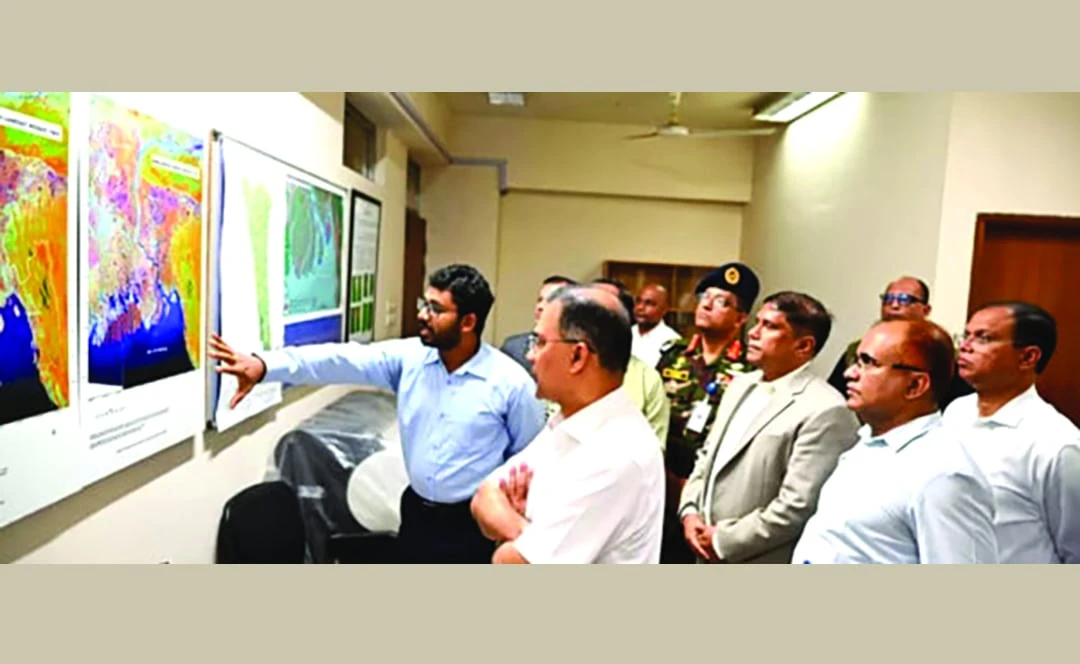
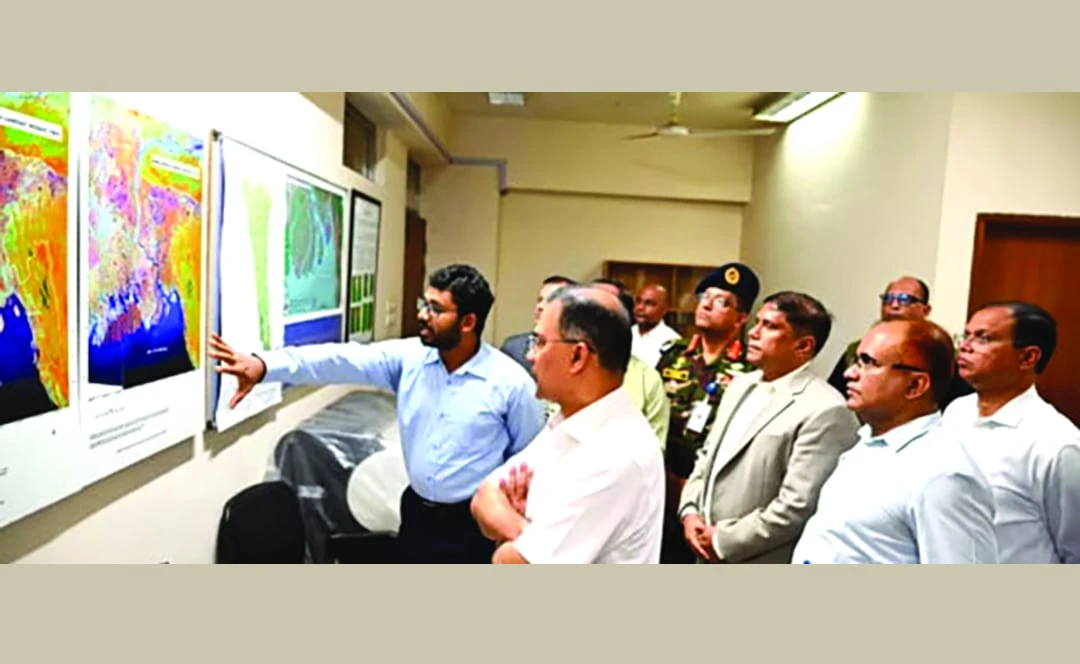
BIMSTEC is in the process of establishing a BIMSTEC Disaster Management Centre in India to anchor coordinated responses to natural disasters. It has conducted disaster management exercises and has developed a Plan of Action on disaster management. The BIMSTEC Centre for Weather and Climate to provide tailored forecasts for member states.
Through the Joint Working Group on Environment and Climate Change, BIMSTEC has finalised a Plan of Action focusing on collective climate action, including protection of biodiversity and waste management, to strengthen regional resilience against environmental challenges and is focused on its implementation.
How can BIMSTEC foster greater inclusivity for smaller economies and landlocked/outer-island member states?
For BIMSTEC, inclusivity is central to its cooperation agenda. Whether its our landlocked members, such as Bhutan and Nepal, or small islands, like Sri Lanka, the BIMSTEC Agenda has evolved to benefit all our member States, taking care of their specific priorities and interests. All our member States have contributed equally to the evolution of BIMSTEC’s Agenda and its implementation. BIMSTEC is thus a very inclusive organisation.

What partnerships would you prioritize to accelerate BIMSTEC’s goals?
BIMSTEC is keen to build partnerships that can contribute to and are aligned with the initiatives of our member States for regional cooperation. We would like to leverage our partners’ resources, knowledge, expertise and programmes for the benefit of our member States. We are open to partner with the UN, international and regional organisations. We have already signed MoUs with UNODC, ADB, IFPRI, and IORA. We have also been cooperating with ASEAN, WHO, WIPO, ITU, UNDRR, UNOPS, UN Women, ADB, WB, FAO, CDRI. ADPC, IUCN etc
How can BIMSTEC improve regular, structured dialogue with business associations, researchers, and youth?
BIMSTEC has already institutionalised these dialogues through specialised platforms. Apart from BIMSTEC Economic Forum and BIMSTEC Business forum, B2B exchanges have also been pursued through BIMSTEC Business Summits and Conclaves. There is a plan to establish a BIMSTEC Chamber of Commerce and Industries. BIMSTEC has created a Network of Policy Think Tanks of the member States to provide policy recommendations. Currently it is expanding People-to-People Contacts through youth exchanges and sports events. There are plans to hold BIMSTEC Start-up Conclave and Boot Camps to engage young entrepreneurs.
What mechanisms ensure equitable participation of all member states in agenda-setting and decision-making?
BIMSTEC has adopted a unique system where each member State has been designated as the “Lead State” for specific sectors. This ensures every member is an equal stakeholder and contributor to regional cooperation under BIMSTEC. All decisions within the organisation’s institutional mechanism, from the Summits to the Working Groups, are taken on the basis of consensus ensuring that all our 7 members have an equal voice in shaping the agenda and decision-making.
What role should BIMSTEC play in knowledge sharing, technical assistance, and capacity-building among member states?
BIMSTEC has already priortised capacity building and training, sharing of the best practices and knowledge and technical assistance in all the sectors on its Agenda. It has also priortised capacity building in its cooperation with all its external partners.
How can the private sector and civil society be more effectively engaged in BIMSTEC’s implementation pipeline?
As you are aware, BIMSTEC is an inter-governmental regional organisation. It’s up to our member states to enable participation of civil society organisations and private sector. They have been engaged, as outlined earlier, with the business communities, think tanks, academia and media as well as youth.
In your view, what are the most promising new areas for BIMSTEC (e.g., digital economy, green finance, cross-border energy trading, health collaboration)?
We have a comprehensive agenda which covers most of sustainable development goals. The agenda has been evolving and it does cover health, environment and climate change, energy and technology. We have also prioritized cooperation in digital and AI domains.
Which reforms or innovations would you personally advocate to accelerate BIMSTEC’s progress?
Our focus is on swift implementation of the recommendations for reforms made by the Eminent Persons Group, which submitted its report in 2024. Our highest priority is full and timely implementation of various decisions and directives of BIMSTEC leadership, as reflected in BIMSTEC Bangkok Vision 2030 and 6th Summit Declaration.
Do you have any final recommendations for member states to enhance collective action and trust within BIMSTEC?
I would like to urge the BIMSTEC members to continue to prioritize regional cooperation under BIMSTEC in line with its Agenda and Vision. BIMSTEC is poised to emerge as a vibrant and effective regional organisation and it has a very bright future. I believe enhancing cooperation under BIMSTEC will be conducive to building trust and confidence amongst the member states.
আরও পড়ুন -