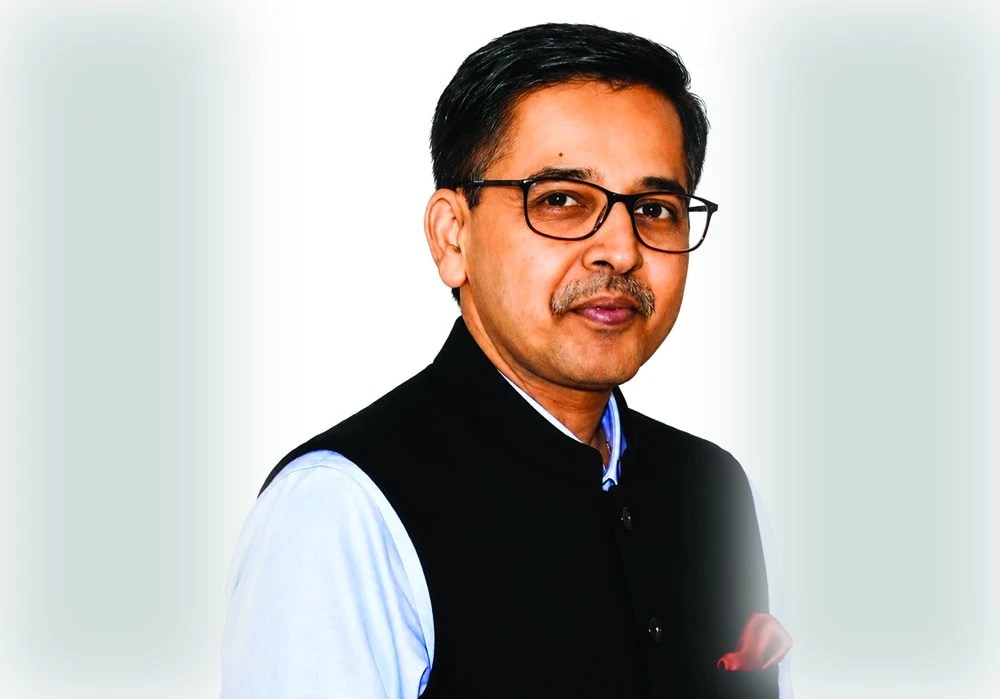
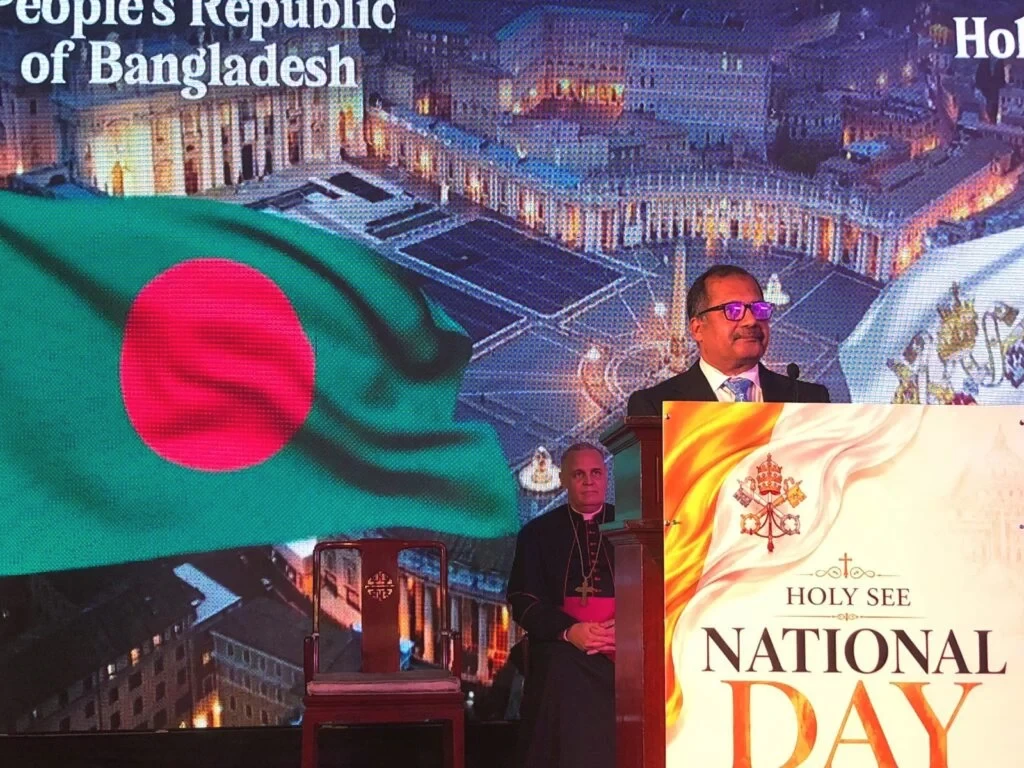
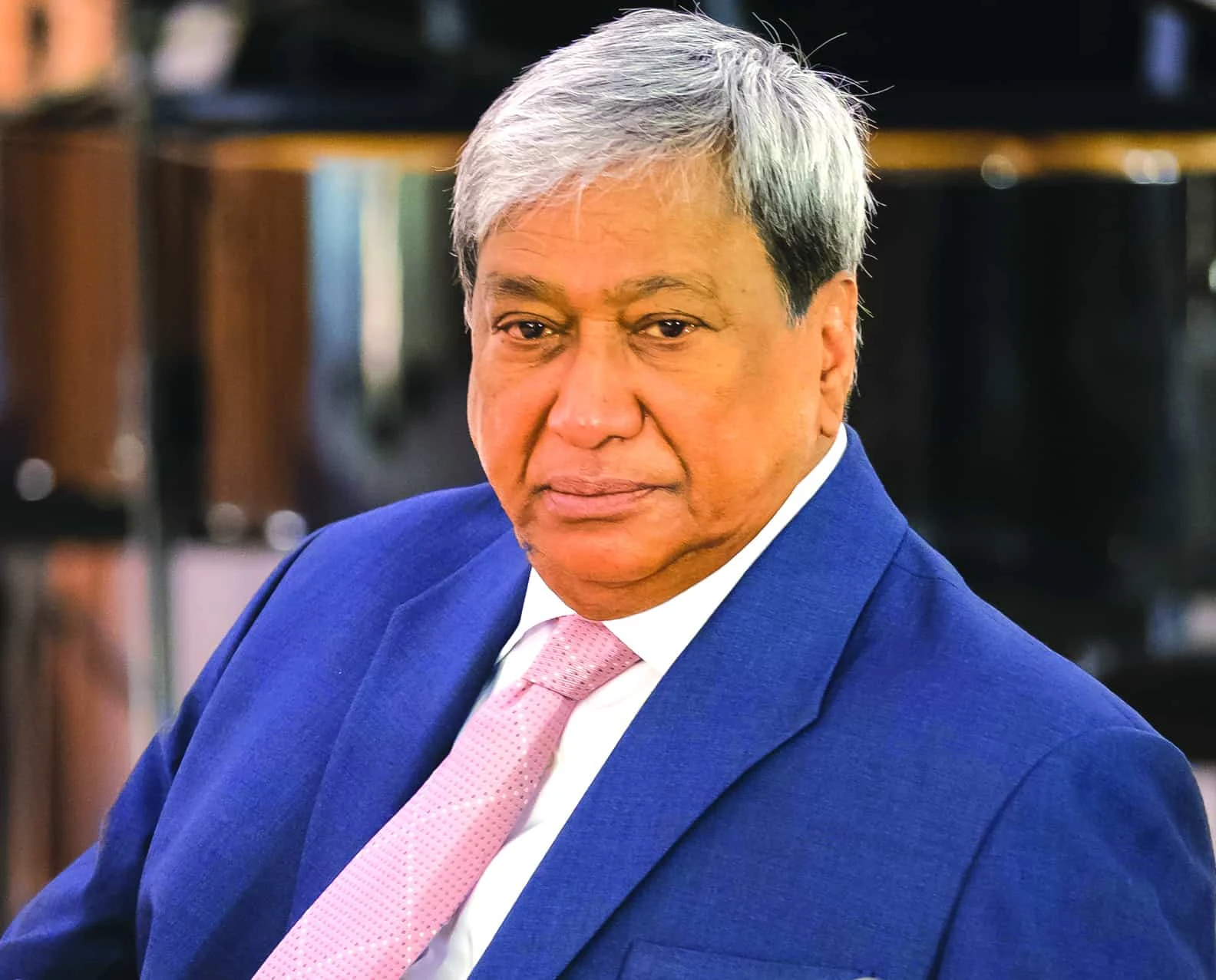
The sun rose over Munshiganj on August 18, 1943, casting a quiet glow on a modest home where a boy named Mizanur Rahman Sinha began a journey that would quietly alter the course of a region. He was born into a business family, yet from his earliest days it was clear that his true currency would be integrity, compassion, and an unyielding commitment to the people around him. The years that followed carried him from this humble beginning to the corridors of power, where he would earn a reputation not for grandstanding, but for service—consistent, accessible, and fearless.
As a young man, Mizanur’s curiosity led him to the University of Dhaka, where knowledge took root and faith in the possibility of betterment found its voice. He stepped from the classroom into a world where ideas mattered, and then into a career that would bridge sectors—banking, business, and public life. In 1964, he began his professional journey with Habib Bank Limited, laying down a pattern of discipline, reliability, and respect for every transaction and every person.
Yet it was not money alone that drew Mizanur to the public sphere. In 1975, he joined his family business with Acme Laboratories Ltd., a move that reflected his belief that prosperity must serve people and communities, not the other way around. The blend of prudent commercial sense and a heart for social good would define his later work as a parliamentarian and a state minister.
The world of politics that followed was not merely a stage for ambition; it was a proving ground for character. From 1996 to 2001, and again from 2001 to 2006, Mizanur served as a member of Parliament. In those years, he brought a steady, unglamorous leadership to the table, working across lines to shape policies that would affect health, family planning, and the everyday lives of ordinary citizens. He also sat on several parliamentary committees, where his thoughtful analysis and honest discourse earned him the trust of colleagues and constituents alike.
Beyond the formal roles, his greatest influence lay in the quiet, persistent acts of service that defined every day. He lived simply, a rare trait in a world prone to ornate display, yet his generosity was anything but modest. In Louhajang, Sherajdekhan, and Munshiganj, areas long battered by neglected infrastructure and recurring floods, his presence became a steadying force. Under his care, corners of the constituency were transformed; roads, schools, and institutions—educational and religious—began to reflect a future many had once thought unattainable.
There is a particular memory many who knew him share: a leader who did not seek the limelight, who did not lean on party power, but who built goodwill through consistent, principled action. When he spoke, people listened not because he shouted, but because he spoke clearly, turning over every spade of truth with the care of a gardener tending delicate saplings. In a political landscape too often defined by maneuvering, he stood as a counterexample—a man who believed that honesty, knowledge, and a willingness to listen could still steer a nation toward progress.
His work touched hundreds of institutions—schools, mosques, and temples—each a thread in the fabric of a community he cared for as if it were his own family. In recent years, he undertook a personal project that spoke to his enduring belief in education: the construction of a modern school in Munshiganj, funded from his own resources. It was not merely bricks and mortar; it was a declaration that opportunity should be accessible to every child who dared to dream.
As the years passed, the distance between a private life and public service blurred into a single, continuous rhythm. The story of Mizanur Rahman Sinha is not merely a chronology of offices held or votes cast; it is a narrative of a life devoted to uplift—an individual who, even behind the quietest of smiles, possessed a fierce clarity about what mattered most: integrity, accessibility, and the courage to call a spade a spade when it was needed most.
In memory, the man who stood at the intersection of business acumen and public good remains a standard by which future generations measure leadership. He did not rely on the wave of a party chief’s popularity; he built his own current of goodwill through steadfast service. He remains a symbol of the possibility that a public leader can be both principled and approachable—a rare combination in any era.
To his family, friends, colleagues, and all whose lives he touched, the world offers its condolences and gratitude. The loss is profound, but so too is the legacy: a testament to a life lived with purpose, a life dedicated to building a better, more just society. May his memory endure as a guiding light for those who seek to serve with honesty, humility, and steadfast resolve.
Mizanur Rahman Sinha is missed, but not forgotten. May he rest in peace.
Written by Rabb Majumder